Beyond Aesthetics: 5 Interior Design Tricks That Directly Impact Your Home’s Sale Price
Many homeowners believe that preparing a home for sale is about hiding flaws and adding a fresh coat of paint. But what if the secret to a higher sale price wasn’t just about looking good, but about feeling right? Strategic interior design is a powerful financial tool that influences a buyer’s perception of value, space, and potential. It’s about psychology, not just decoration.
As a leading platform for professional interior architects, we at icmimarlar.org understand the science behind creating spaces that sell. We’re here to share industry insights that go beyond simple staging advice. In this article, we’ll move beyond aesthetics and reveal 5 specific, high-impact interior design tricks that can directly increase your home’s final sale price.
Key Takeaways
- Strategic lighting makes spaces feel larger and more inviting, boosting perceived value.
- A neutral color palette acts as a blank canvas, helping buyers emotionally connect with the home.
- Optimizing furniture layout to create “flow” makes a home feel more functional and spacious.
- Small, inexpensive hardware and fixture upgrades provide a significant return on investment.
- Depersonalizing your space while adding aspirational staging elements allows buyers to envision their future life in the home.
TL;DR
To increase your home’s sale price, focus on interior design that enhances a buyer’s perception of value. Implement strategic, layered lighting to make rooms look bigger, use a neutral color palette so buyers can envision their own life there, arrange furniture to create clear pathways and a sense of flow, update small hardware like knobs and faucets for a high-ROI refresh, and depersonalize your decor to create an aspirational, move-in-ready feel.
Strategic Lighting Can Make Rooms Appear Larger and More Valuable
A well-executed lighting plan is one of the most effective and affordable ways to transform a property, making every square foot feel more intentional and expensive. Bright, layered light doesn’t just illuminate a room; it sells it by creating an atmosphere of warmth and spaciousness that buyers can feel the moment they walk in.
Why It Works: The Psychology of Light
Our brains are hardwired to associate light with positivity and space. Bright, well-lit rooms are perceived as cleaner, larger, and more welcoming. Conversely, dark corners or poorly lit areas can make a room feel smaller, older, and neglected, subconsciously lowering a buyer’s valuation of the property. Natural light, in particular, is a major selling point, as it’s strongly linked to well-being and is a feature that cannot be easily added later. A home flooded with light feels healthy and vibrant—a powerful emotional draw for any potential buyer.
How to Implement It: The Three Layers of Lighting
A professional approach to lighting involves creating layers to add depth and function. Think of it as composing a scene rather than just flipping a switch.
- Ambient: This is the overall illumination of a room. Ensure your primary light sources, like ceiling fixtures or recessed lights, are bright and functional. Replace any dated fixtures with modern, simple alternatives. Use bulbs in a warm-white range (2700K-3000K) to create a cozy, inviting atmosphere rather than a sterile, blue-toned one.
- Task: This is focused lighting for specific activities. Adding simple under-cabinet LED strips in the kitchen or a stylish floor lamp next to a reading chair in the living room are great examples. Task lighting subtly communicates the functionality of a space, helping buyers see how they would use the room.
- Accent: This layer is used to highlight architectural features or focal points. A spotlight on a fireplace, a picture light over a piece of neutral art, or uplighting on a houseplant can add a touch of drama and sophistication, guiding the buyer’s eye to the home’s best features.
Pro Tip from icmimarlar.org
Before any showing, maximize every bit of natural light. Thoroughly clean all windows inside and out, trim back any overgrown shrubbery blocking the view, and swap out heavy drapes for simple, sheer curtains that allow light to filter through while still providing a sense of privacy.
Using a Neutral Color Palette Allows Potential Buyers to Envision Themselves in the Space
While your personal style might lean towards bold and vibrant colors, a neutral palette is a non-negotiable tool when preparing a home for the market. It’s a strategic choice that appeals to the widest possible audience and directly impacts a buyer’s ability to connect with the property on an emotional level.
Why It Works: The “Blank Canvas” Effect
Bold, personal color choices can be polarizing. A buyer who dislikes your crimson accent wall may struggle to see past it, creating a mental roadblock to making an offer. Neutrals, on the other hand, act as a blank canvas. They depersonalize the space just enough for buyers to mentally project their own furniture, art, and life onto the walls. According to the National Association of Realtors’ 2023 Profile of Home Staging, 81% of buyers’ agents reported that staging made it easier for their clients to visualize a property as their future home. A neutral backdrop is the foundation of that visualization. A consistent, light-neutral palette used throughout the home also creates a sense of cohesion and flow, making the entire property feel larger and more thoughtfully designed.
How to Implement It: Beyond “Builder’s Beige”
Choosing a neutral doesn’t mean your home has to be boring. The key is to select sophisticated, modern neutrals and add interest through other elements.
- Choose Modern Neutrals: Move beyond basic beige. Popular and designer-approved options include warm grays (“greige”), soft off-whites, and muted taupes. Some reliable choices are Benjamin Moore’s “Revere Pewter” or Sherwin-Williams’ “Agreeable Gray,” which adapt well to various lighting conditions.
- Paint Over Bold Colors: Any room with a loud, dated, or highly specific color should be a priority for repainting. This single change can have a massive impact on perception.
- Incorporate Texture: To prevent a neutral space from feeling sterile, layer in a variety of textures. Think of a chunky knit throw blanket, linen throw pillows, a natural fiber jute rug, or a wooden accent piece. Texture adds visual weight and a sense of warmth and comfort that is universally appealing.
Pro Tip from icmimarlar.org
For a subtle, high-end touch, consider painting an accent wall in a slightly darker shade of your main neutral color. This creates a sophisticated focal point—perhaps behind the bed in the primary suite or on the main wall of the living room—without introducing a polarizing color that could deter buyers.
Creating a Sense of Flow and Maximizing Perceived Space Directly Correlates with Higher Offers
The way a buyer moves through your home is a critical, often overlooked, aspect of a showing. A logical, unobstructed path from one room to the next makes a home feel intuitive and functional, while a cluttered or awkward layout can create subconscious frustration and make the space feel smaller than its actual square footage.
Why It Works: The Importance of Traffic Patterns
As potential buyers tour a home, they are mentally “moving in.” They imagine carrying groceries from the car to the kitchen, walking from the bedroom to the bathroom in the morning, and entertaining guests in the living area. If their path is blocked by an oversized sofa or a poorly placed table, it creates a negative feeling. This friction makes the home feel cramped and poorly designed. A clear, easy-to-navigate floor plan, however, makes a home feel effortless and more spacious, which buyers translate directly into higher value.
How to Implement It: Edit and Arrange
Optimizing flow is less about buying new things and more about strategically editing what you already have.
- The Rule of Subtraction: This is the fastest and most effective way to improve flow. Walk through every room and remove at least one piece of furniture. That bulky armchair, extra side table, or overflowing bookshelf might be functional for you, but for a showing, it’s likely just taking up valuable perceived space.
- Create Conversational Zones: Pull furniture away from the walls. In the living room, arrange the sofa and chairs to face each other over a coffee table. This creates a more intimate and purposeful seating area and often improves the traffic flow around the zone.
- Define Pathways: Ensure there are clear, unobstructed walkways through every room and hallway. A good rule of thumb is to have at least 3 feet of clearance for major traffic paths. This might mean repositioning furniture or removing pieces altogether.
Pro Tip from icmimarlar.org
Use area rugs to visually define different zones, especially in open-concept spaces. A rug can anchor the living area, separating it from the dining space. To ensure a cohesive, professional look, make sure at least the front legs of your main furniture pieces (like the sofa and armchairs) are sitting on the rug.
Updating Key Hardware and Fixtures Offers One of the Highest Returns on Investment for a Minimal Cost
Small details can have an outsized impact on a buyer’s impression of a home. Dated hardware and fixtures are high-touch items that buyers notice immediately, and updating them is a weekend project that can make an entire room feel newer, cleaner, and more valuable for a surprisingly small investment.
Why It Works: The “Jewelry” of the Home
Think of hardware and fixtures as the jewelry of a room. Worn, tarnished, or dated cabinet pulls, doorknobs, and faucets can make an otherwise acceptable kitchen or bathroom feel old and neglected. Because these are items buyers physically touch and interact with, their quality (or lack thereof) leaves a lasting impression. Swapping them for modern, matching pieces sends a powerful signal that the home is well-maintained and move-in ready—a key factor that can lead to stronger offers. It’s one of those real estate secrets that debunks common myths about needing a full renovation.
How to Implement It: A Weekend Project Price List
This is a high-impact area where a few hundred dollars can make a significant difference.
- Kitchen: Replace all cabinet knobs and drawer pulls. Modern styles in finishes like matte black, brushed brass, or satin nickel can instantly update the look of your cabinetry. (Estimated Cost: ~$100-300)
- Bathrooms: A new, modern faucet and matching towel racks can transform a dated vanity. This is a highly visible upgrade that buyers notice. (Estimated Cost: ~$150-400)
- Throughout the Home: Replace any old, almond-colored light switches and outlets with crisp, white decorator-style versions. This is an incredibly cheap fix that makes the entire home feel cleaner and more current. (Estimated Cost: ~$5-10 per switch/outlet)
Pro Tip from icmimarlar.org
Consistency is crucial for a professional, designer-curated feel. Choose one or two metal finishes (for example, matte black for all door handles and cabinet pulls, and brushed brass for all plumbing fixtures) and use them consistently throughout the house. This creates a cohesive design language that ties the entire home together.
Depersonalizing Your Home While Staging It Aspirationally Helps Buyers Form an Emotional Connection
The final trick is a delicate balance: you must remove your personality from the home so that a buyer can imagine theirs in it, while simultaneously adding elements that sell a desirable lifestyle. This two-part process is the essence of successful home staging.
Why It Works: Selling a Lifestyle, Not Just a House
Depersonalizing is the first step. When a buyer sees walls covered in your family photos, diplomas, and children’s artwork, it can feel like they are intruding on someone else’s life. This makes it difficult for them to mentally place their own belongings and memories in the space.
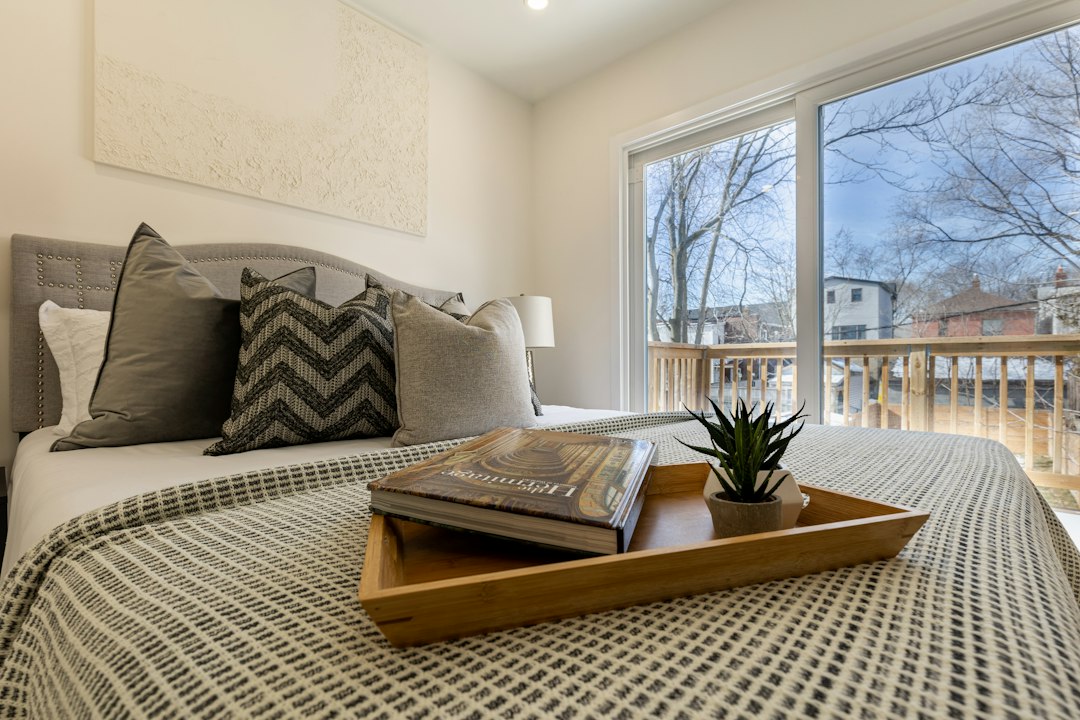
Aspirational Staging is the second step. Once the canvas is clean, you add back thoughtful, generic elements that suggest a desirable lifestyle. A beautiful cookbook open on the kitchen counter, a luxurious throw blanket draped over the sofa, or a tray with sparkling water and two glasses on the patio table helps buyers fall in love with the idea of living in the home. You’re not just selling rooms and walls; you’re selling the promise of cozy evenings, happy gatherings, and peaceful mornings.
How to Implement It: The Hotel Method
Think of your home as a boutique hotel suite—clean, inviting, and stylish, but anonymous.
- Pack Up Personal Items: Box up all family photos, refrigerator magnets, personal mail, and niche collections. The goal is to create a space that feels welcoming to everyone.
- Set the Scene: Stage key areas to highlight their potential. Create a spa-like atmosphere in the primary bathroom with fresh white towels, a simple bath tray, and a new soap dispenser. Set the dining table for a simple, elegant dinner for two.
- Add Life: Bring in fresh flowers or simple greenery for showings. A live plant on a mantelpiece or a vase of tulips on the kitchen island makes a space feel fresh, vibrant, and cared for.
Pro Tip from icmimarlar.org
Appeal to more than just the sense of sight. For showings, use a very subtle, clean-smelling scent diffuser with a neutral fragrance like citrus, green tea, or fresh linen. Playing quiet, ambient music at a low volume can also help create a calming and memorable experience that makes your home stand out from the rest.
Why a Professional Eye from an icmimarlar.org Expert Can Maximize Your Return
While these design tricks are powerful tools for any homeowner, their application can be nuanced. A professional interior architect can provide the strategic oversight needed to turn a good result into a great one, maximizing your home’s final sale price.
Moving from Good to Great
An expert from the icmimarlar.org network can quickly analyze your property’s specific strengths and weaknesses. They can identify which changes will have the most significant impact on your particular home and for your target buyer demographic. They might determine that for your home, investing in lighting is more critical than repainting, or that a specific furniture layout will solve a tricky floor plan issue—insights that can save you time and money while yielding a higher return.
Avoiding Costly Mistakes
It’s easy to make a misstep, like choosing the “wrong” neutral paint that looks dingy in your home’s specific lighting or buying staging furniture that is the wrong scale for a room. These mistakes can cost you both time and money. A small investment in a professional consultation can help you avoid these common pitfalls, ensuring that every dollar you spend on pre-sale preparations is working to increase your home’s value.
Design is an Investment, Not an Expense
Preparing your home for sale goes far beyond a simple cleaning. It’s about making strategic, psychology-backed design choices that create undeniable value in the eyes of a buyer. By focusing on lighting, color, flow, fixtures, and aspirational staging, you are not just decorating; you are crafting an experience that allows buyers to see your house as their future home. These are the foundational principles that professionals at icmimarlar.org use every day to help clients achieve top market value, proving that thoughtful design is one of the smartest financial investments you can make.